Beirut
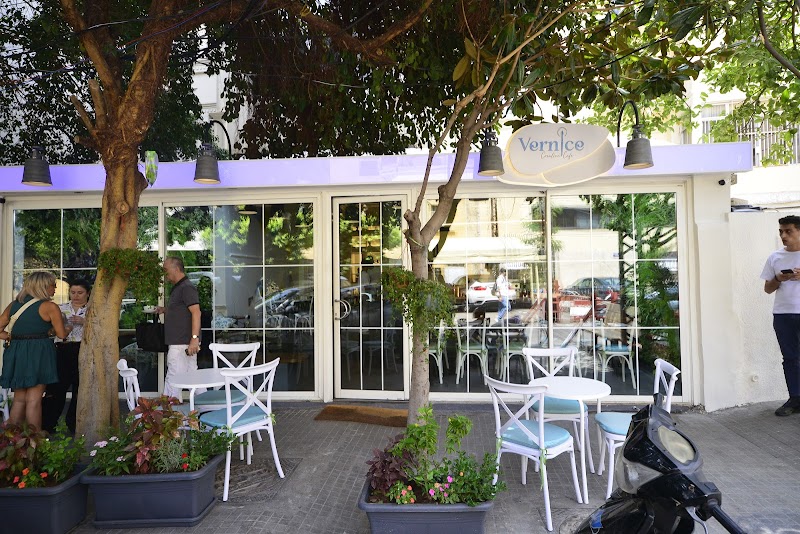
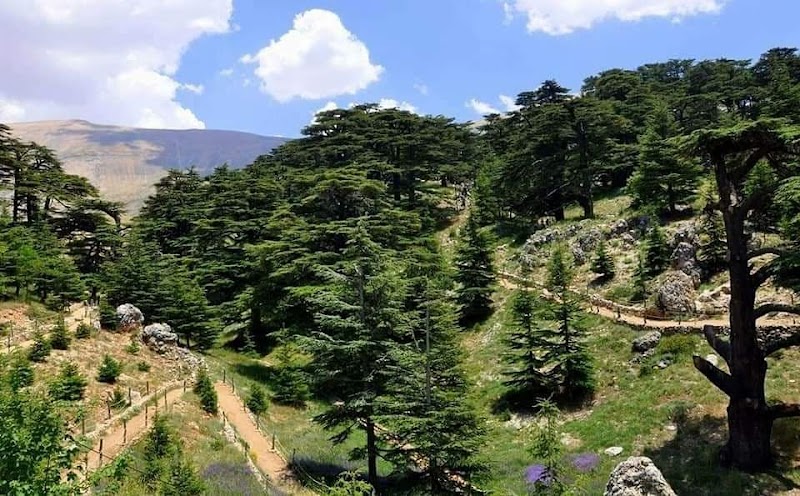
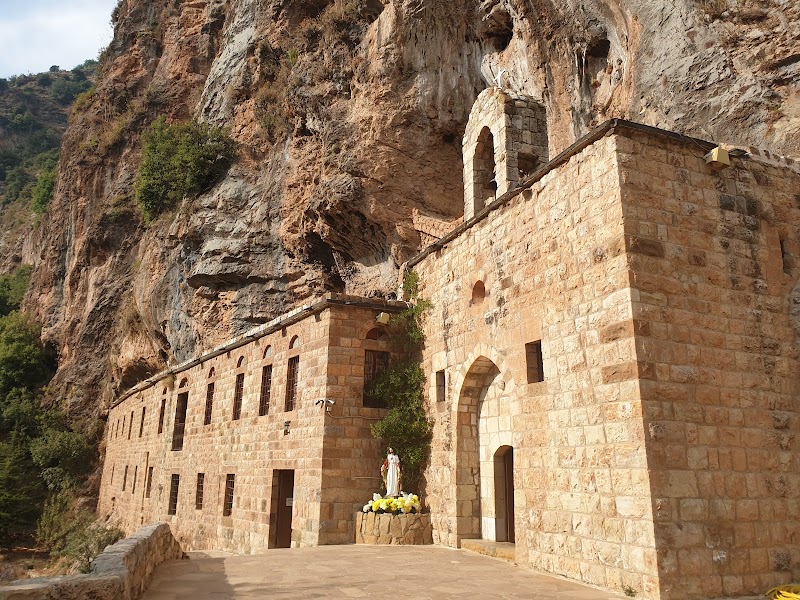
Beirut, Lebanon’s cosmopolitan capital, blends historic charm with vibrant street life, offering travelers a taste of the region’s culinary and cultural heritage. Stop at Ward Cafe Trottoir for aromatic coffee amid bustling cafés, then venture to Deir Mar Elisha Monastery and Saint Daniel Church to witness centuries‑old religious architecture set against the backdrop of cedar‑lined hills. The nearby Cedars of God preserve an ancient forest that echoes Lebanon’s national symbol, making Beirut a gateway to both urban sophistication and natural splendor.

Beirut
 Lebanon
About Beirut
Beirut is the capital and largest city of Lebanon. As of 2025 Greater Beirut has a population of 2.4 million, just under half of Lebanon's population, which makes it the twelfth-largest city in the Levant region and the sixteenth-largest in the Arab world. The city is situated on a peninsula at the midpoint of Lebanon's Mediterranean coast. Beirut has been inhabited for more than 5,000 years, making it one of the oldest cities in the world.
Based on 11 spots from 2 travel guides
What to Expect in Beirut
- A destination with 2 cafes, 2 attractions, 2 natures, 2 temples to explore
- Home to legendary Arabic coffee (without sugar or cream), sujuk and basturma sandwich
- Explore distinct areas including Hadath El Jebbeh, Kadisha Valley and Little Armenia
Must-Try in Beirut
fava bean stew with olive oil, lemon, and local spices
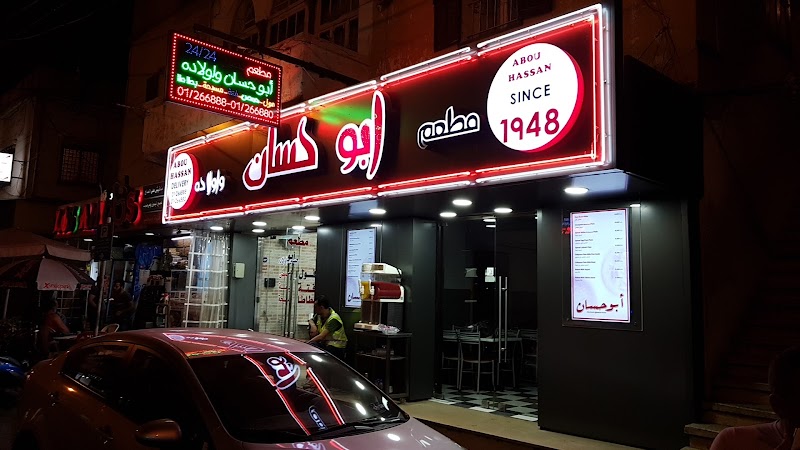
atAbu HassanIt is celebrated as the king of fava beans in Beirut.
basturma sandwich
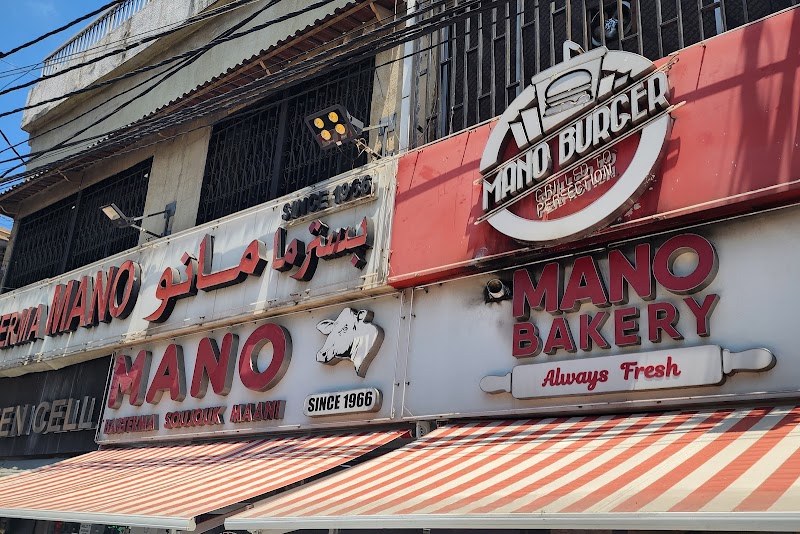
atBasturma Shop (Basturma)The shop’s owner prepares the Armenian cold cuts on the spot, serving fresh pickles and tomatoes that elevate each basturma sandwich.
Arabic coffee (without sugar or cream)
atCafe UniceA historic café that has been serving traditional Arabic coffee since 1935.
sujuk
atLittle ArmeniaIt offers authentic Armenian street food and a lively community atmosphere unlike typical Beirut neighborhoods.
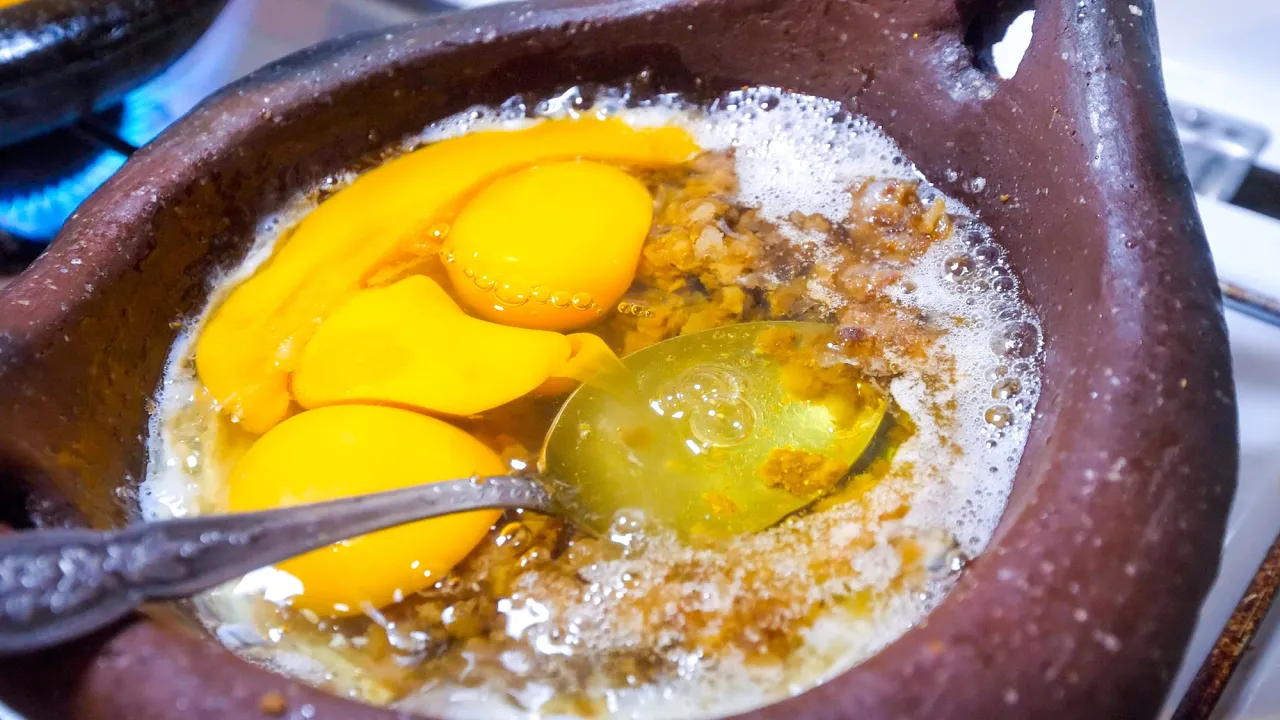
Video Guides


Top Picks in Beirut
Neighborhoods to Explore
 Link copied to clipboard!